

Free Shipping Within India
Ships Worldwide
100% Money Back Guarantee
Copyright © 2026, Mirraw Online Services Pvt. Ltd. All Rights Reserved.

 Deal ends in :
5-6 business days is available to select delivery time.
This service is intended to customize outside India only.
| Product | Standard | Custom |
|---|---|---|
| Blouse | $1.0 (Regular) | $1.0 (Custom stitched) |
| Salwar Set | $1.0 (Standard) | $1.0 (Custom stitched) |
| Lehenga | $1.0 (Standard) | $1.0 (Custom stitched) |
| FNP | $4.0 |
Stitched Products are customized to your measurements, cannot be resold/returned and hence will not be eligible for returns/refunds.
If you are not happy with the product you have received, don't worry. You can always ship it back to us within 7 days without any deductions.
Return will be processed in either of the following two ways: self return or pick-up. Pick-up process is only available to particular set of orders and not all, hence you have to self return the product in the case where pick-up service is not available. We request you to use a reputed courier with proper tracking number in case of Self Return. Mirraw will not bear the return shipping charges.
If you wish to replace a damaged product, we will send you a new one. We can also refund the amount to your credit card/bank account or offer you a store credit redeemable towards future purchases.
United States: +1 949 464 5941
United Kingdom: +44 121 461 4192
Canada: +1 581 705 4535
India: +91 22 6648 4300
All other countries: +1 949 464 5941
General inquiries: team@mirraw.com
Customer care: mcare@mirraw.com

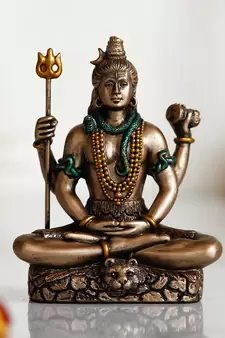
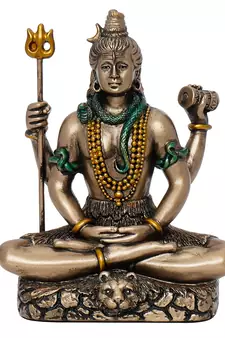
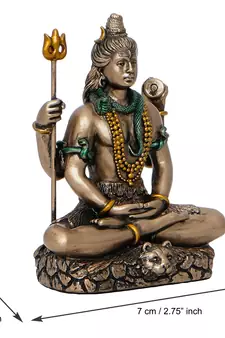
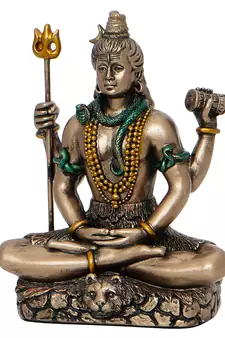
_long_webp.webp?1696947254)


 Deal ends in :
 Sort
Sort
 Filter
Shiva statues and idols are ubiquitous in Hindu temples and home shrines. But beyond decoration, these murtis are filled with deep spiritual symbolism and significance. For devoted followers, the Shiva murti is a focal point for worship, ritual, and connecting with the Divine.
As one of the primary deities in the Hindu tradition, Shiva is represented through sacred iconography in manifold forms. Each depiction reveals an aspect of Shiva's multidimensional nature.
The dancing Nataraja statue is arguably the most popular Shiva idol. It depicts Shiva performing the cosmic dance of destruction and creation. With one raised hand in abhaya mudra granting freedom from fear, and the other holding a damaru drum symbolizing primordial sound, the Nataraja beautifully encapsulates Shiva's role in the cyclical process of existence.
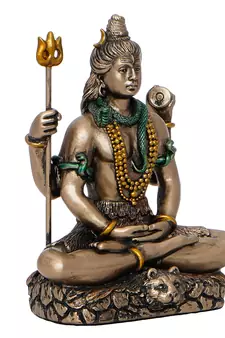
In contrast, dhayana yoga statues show Shiva meditating serenely. Seated with eyes closed in lotus position, this form represents the divine yogi in deep samadhi. The meditating Shiva evokes stillness and inner tranquility.
Ardhanarishvara murtis portray Shiva united with his shakti or divine consort, Parvati. One half of the statue depicts Shiva with calming features, the other half shows Parvati with adornments befitting her role as empress. This integration of masculine and feminine energies reflects the indivisible nature of Shakti and Shiva.
Bhairava is a fierce, demon-like representation of Shiva. With a menacing stance, angry facial features, and fiery halo, this imposing figure is a protector against malevolent forces. Bhairava statues are common in Nepal.
The classic lingam-yoni statue is history's most prevalent Shiva icon. The lingam (phallus) resting in the yoni base symbolizes the merging of masculine and feminine energies into transcendent wholeness.
Several identifying attributes are integral parts of Shiva iconography. Snakes coiled around Shiva's neck represent control over dark poisonous energies. The crescent moon indicates Shiva's timeless nature, while the river Ganga flowing from his matted locks reflects spiritual purification.
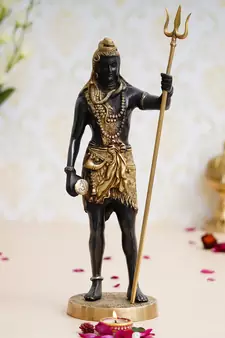
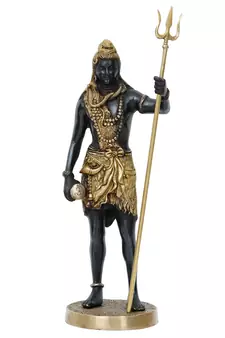
The Trishula trident is a key symbol, representing the deity's three fundamental powers of will, action, and wisdom. Damaru drums convey Shiva as the source of all primordial sounds. And Shiva's third eye conveys secret knowledge, insight, and enlightened perspective.
Stones like granite and marble are frequently used for carving Shiva murtis. Intricate details in the statue's expression, adornments, and pose reveal remarkable craftsmanship. Bronze sculptures with antique finishes also allow for fine sculptural detailing.
For portable Shiva murtis, brass, panchaloha, and copper are common. Panchaloha is a traditional Hindu alloy consisting of the five metals gold, silver, copper, zinc and iron mixed in proportions to create a durable and sacred material for murtis. Clay, terracotta, and stone powder are cheaper murti materials, ideal for folk-art style statues. But detailed features can't be replicated as realistically.
New technologies like 3D printing are now being used to create Shiva idols once crafted manually. But handmade statues still retain greater authenticity, sanctity, and value for rituals.
For home worship, small Shiva murtis around 5-10 inches are popular for personal altars and shrines. While large 2 to 4 feet tall Shiva statues adorn temple spaces. Size, weight, and material determine ease of handling and placement.
The statue's origin and crafting methods also matter for sanctity. Temples and high priests can authenticate if idol-making rituals were properly followed for installations. Standard iconography should be maintained while allowing some regional stylistic variations.
Personal connection is also vital. The murti's expression, proportions, and visual appeal should resonate. You want to feel the deity's grace and spiritual presence shine through the statue.
Once established, the Shiva statue requires reverential care. Daily puja with cleansing, dressing, and offerings blesses and energize the murti. Proper mantras must be incanted during rituals. And decorating the statue for auspicious occasions honors the divine presence.
Outside of puja, the statue should rest on a clean pedestal or altar. Avoid placing it on the bare floor. Shelter the murti from direct sunlight, rain, and high humidity. Gently dust with a soft cloth to clean. Avoid bathing stone or metallic statues as water can damage finishes. Apply chandan, lamps, flowers, bilwa leaves to bless the Shiva murti.
Shiva statues serve as sacred conduits to the divine for devotees worldwide. Bringing an authentic, spiritually resonant Shiva murti into your home enables a profound connection with the deity through sacred ritual and inner focus
Unlike mass-produced idols, traditional handcrafted Shiva murtis are carefully made by artisans to create one-of-a-kind sacred statues. Each sculpture is carved from stone, wood or metal using time-honored techniques perfected over generations. The artisan patiently shapes the raw material into an exquisite likeness of Lord Shiva through his skill and experience. Days or even weeks are devoted to delicately chiseling and forming the statue to perfection. Every small detail of the face, ornaments, poses and mudras are mindfully etched by hand. No two handcrafted Shiva idols are identical. Subtle variations in the statue's proportions, expressions and adornments reflect the artisan's personal creative imprint. Tiny imperfections make the murti feel alive. And the handmade process infuses the deity's divine presence into the very essence of the statue. So while factory made Shiva idols lack character, every handcrafted Shiva sculpture is a unique work of art that connects devotees to the Divine through its individual personality.
Trending Categories : Krishna Statue | Ganesha Statue | Shiva Statue | Hanuman Statue | Buddha Statue | Shivling | Lakshmi Statue | Sai Baba Statue | Maa Durga Statue | Garden Statues | Hindu God Statue| Sr. No. | Shiva Statue List | Price ($) |
|---|---|---|
| 1. | Meditatin Lord Shiva Cold Cast Bronze Resin Figurine | $48.73 |
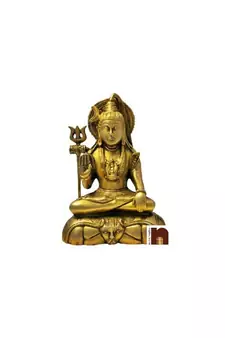
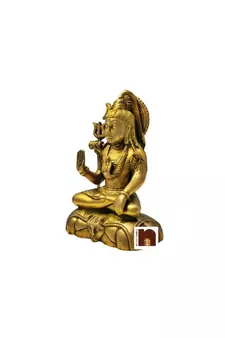
| 2. | Lord Shiva Idol In Brass (20 Cms) (1 Pc) | $121.6 |
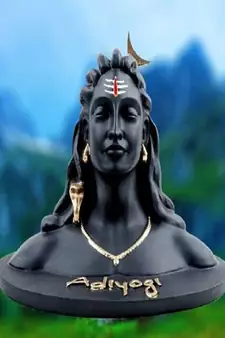
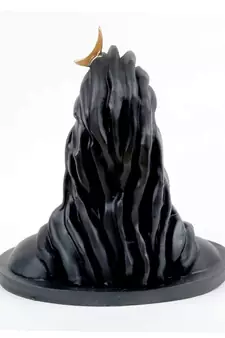
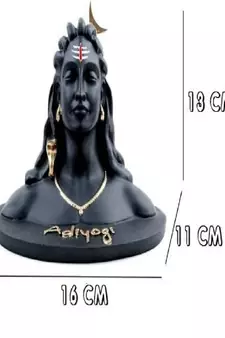
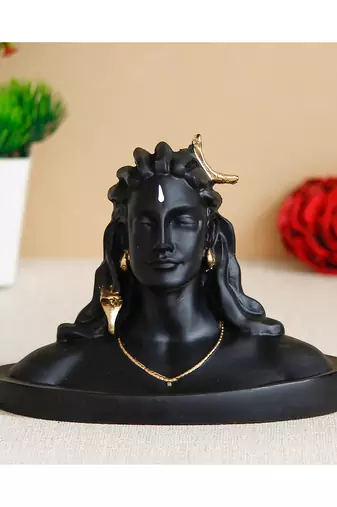
| 3. | Black Adiyogi Lord Shiva Handcrafted Polyresin Home | $35.4 |
| 4. | Adiyogi Shiva Statue Car Dashboard Home Decor | $41.6 |
| 5. | Black Adiyogi Lord Shiva Handcrafted Polyresin Figurine | $30.93 |
| 6. | Ecraftindia Lord Shiva Trishul Brass Handcrafted Statue | $312.93 |
Copyright © 2026, Mirraw Online Services Pvt. Ltd. All Rights Reserved.